
What Children Learn From Acting and Stage Work
Children learn how to speak confidently and work with others through acting lessons and time on stage. They also learn how to handle rejection and think creatively under pressure.
These abilities help during school presentations, job interviews, and everyday conversations later in life. At KrispProduction, we run acting workshops in schools, so we’ve seen how this training influences a child’s confidence.
And in this guide, we’ll discuss:
- What children actually learn from acting classes
- Nine core skills kids develop through theatre work
- How acting training supports academic success
Ready? Let’s get started.
What Can Children Learn From Acting Classes?
Children learn performance skills, emotional intelligence, and communication abilities from acting classes. And all these skills build confidence and strengthen public speaking skills.

Let’s look at how children learn these skills in acting class.
Stage Performance and Character Work
Students practice memorizing lines and performing on stage, but the benefits go far beyond a single performance. This routine helps children get better at retaining information and recalling it when they feel pressure (like during exams or presentations).
Kids also learn how to develop characters through practice and rehearsal in an acting lesson. For example, when they’re figuring out how their character walks and talks, they’re learning to observe people closely and understand their behavior.
What’s more, acting classes teach kids how to bring scenes to life. As they build this skill, they start noticing stories everywhere. That creative mindset helps them understand people and situations more deeply.
Transferable Life Skills
Since theater training builds confidence, children gain skills that help them succeed in school and everyday life.
We’ve seen how a shy child begins with a single line in a group scene during Saturday classes. But within a few weeks, that same student confidently volunteers for solos. That’s a great example of how acting lessons build skills that have usefulness outside the theater.
Plus, when a kid works with a difficult scene partner, they learn how to collaborate with people who aren’t their best friends (and schools will probably never teach that skill).
Pro tip: Avoid correcting every mistake at home. Acting works best when children feel safe to experiment.
See also: What Causes Hair Loss in Women?
What Are the Key Skills Children Develop Through Acting?
Acting training helps kids develop nine core skills: confidence, communication, teamwork, empathy, memory, creativity, physical expression, resilience, and discipline. These skills carry over into school, relationships, and later support whatever path your child decides to pursue.
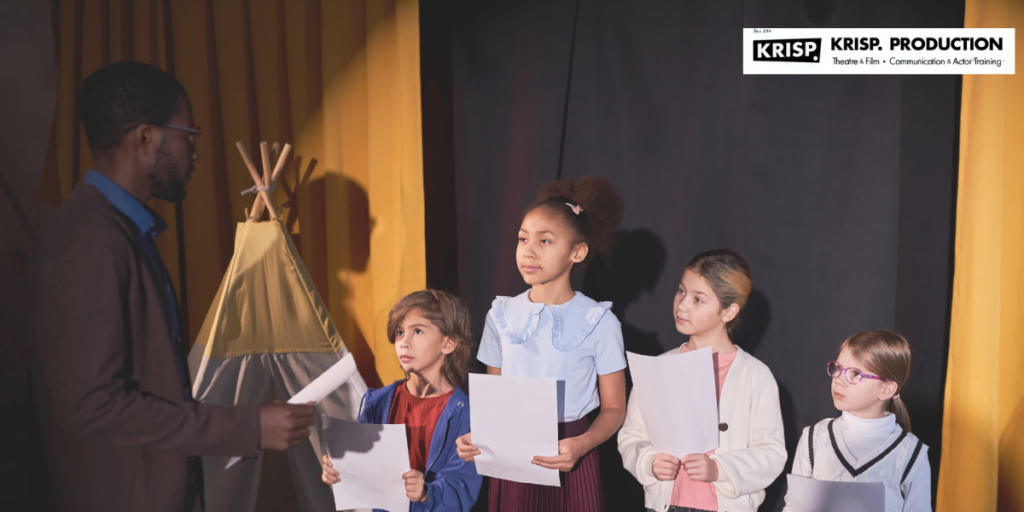
Here’s how your child develops nine main techniques during acting training:
- Speaking in Front of Others: Most kids feel nervous about performing in front of an audience at first. But when you’re up on stage every week in a supportive environment, it stops feeling scary.
- Verbal Communication: The ability to speak clearly ranks among the most valuable skills children gain from acting. Through theater lessons, children who mumble their way through conversations learn to enunciate and adjust their volume based on who’s listening.
- Group Collaboration: Theatre teaches students that strong performances happen when everyone works together. If one person misses a cue or forgets a prop, the scene doesn’t work. This way, kids quickly learn the importance of supporting one another.
- Understanding Different Perspectives: One of the biggest benefits of acting lessons is the way children start to understand different perspectives. One example we love is when an outgoing child plays a shy character, they begin to feel what it’s like to be the quiet kid in class.
- Memory Skills: We’ve mentioned earlier how memorizing lines strengthens the brain’s ability to retain information. More precisely, the memory skills kids build from learning scripts translate directly to memorizing math formulas, historical dates, and vocabulary words.
- Creative Problem-Solving: When an actor forgets a line or a prop breaks, the show keeps moving. Once children learn how to adapt to these situations on stage, they start applying that same flexibility to group projects and everyday situations.
- Body Language: Acting teaches children that their body language speaks as loudly as words. Through coaching, we see young actors become more aware of how they move, which leads to better posture and confidence.
- Handling Setbacks: The beautiful thing about theater is that it normalizes rejection in a safe space. For instance, when a kid forgets a line, the director says, “Let’s try again,” and everyone moves on. Things like this teach youngsters that mistakes aren’t failures, and it helps them bounce back stronger.
- Time Management: Theatre programs require commitment, like students having to attend weekly classes, memorize dialogues, and arrive on time for rehearsals. This regular practice helps kids become more disciplined. Even more, that mindset carries into homework, sports, and other activities.
These lessons prepare children not just for the stage but for real-world responsibilities and relationships.
How Does Acting Training Support Academic Success?
When kids take acting training, they gain reading and vocabulary skills that help them participate more in class at school. That’s why, even though parents may not always link theater to better grades, analyzing scripts often strengthens the same skills kids use in classwork.
Let’s get into more details about these connections.
Reading Comprehension and Vocabulary Growth
As we’ve mentioned before, acting sharpens the abilities children use every day at school. But how exactly?
Here’s an example: when kids break down a script to understand a character’s motivations, they practice the same close reading their English teacher assigns. But this time, they’re more engaged because it’s tied to a performance.
At the same time, children expand their vocabulary by learning dialogue and exploring different texts. For example, a 10-year-old playing a historical character needs to understand words like “betrayal” in context, and they remember those words later on.
All in all, acting training can support literacy through exposure to stories from different time periods and cultures (and kids usually find this kind of learning far more engaging).
Classroom Participation and Presentation Skills
Did you know that theater can help children feel more confident speaking in class? Since they practice projecting their voice on stage, speaking up in a classroom feels easier. That’s how they grow more comfortable making eye contact, standing tall, and sharing their thoughts clearly.
More importantly, public speaking training from acting helps kids participate more in class. In our workshops, we often see reserved students who rarely raise their hands start volunteering answers after just a few weeks of acting practice.
Next Steps for Young Aspiring Actors
When you understand what acting training truly offers, you begin to notice how it supports confidence, communication, and skills children use in school and daily life.
And it doesn’t take a big leap to start. Simply look for acting classes in a supportive environment, where steady growth can happen naturally.
If you want guidance, KrispProduction offers acting programs for different skill levels with a focus on real-world confidence and communication. Reach out to us today to learn more.