Is a Solar Generator Reliable During Power Outages?
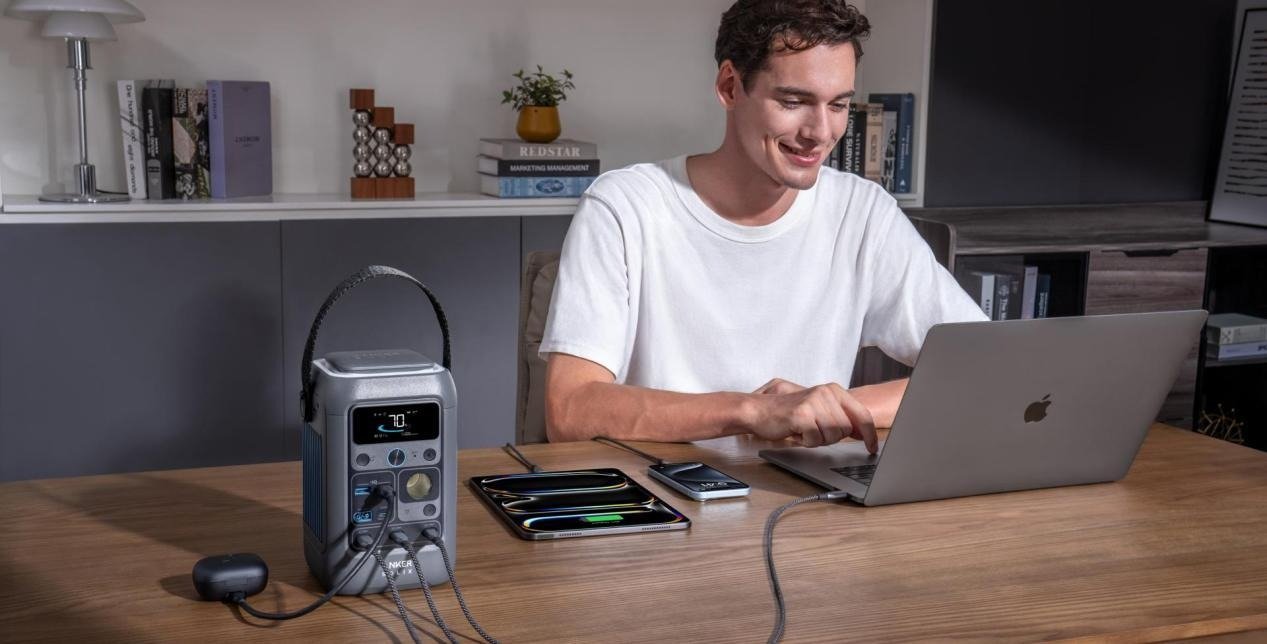
Power outages interrupt daily living, leaving houses without light, communication, or climate control. A solar generator generates off-grid electricity by storing sunlight and distributing it via a built-in inverter. These generators have emerged as a reliable alternative to gas-powered devices because of their quiet operation, inexpensive maintenance, and renewable power source. But how well do they operate during genuine outages? This article investigates the dependability of solar generators, the important elements influencing performance, and how they compare to alternative backup choices. Understanding the boundaries of storms, blackouts, and grid instability allows you to prepare more effectively.
How Reliable Are Solar Generators in Real Power Outages?
Solar generators are extremely reliable during power outages when adequately designed for the household’s vital needs. They can power important electronics such as phones, lights, routers, and medical equipment for hours or days, depending on battery capacity and sunshine availability for recharging. Unlike gas generators, they operate silently and are not dependent on fuel availability, which might be limited during crises. Weather, battery health, and power needs all have an impact on their dependability. Sun generators routinely generate continuous, useful energy in well-planned installations with enough sun input. With proper usage and preparation, they may provide a dependable solution for both short and long-term outages.
What Factors Affect Solar Generator Reliability During Outages?
Sunlight Availability and Recharging Conditions
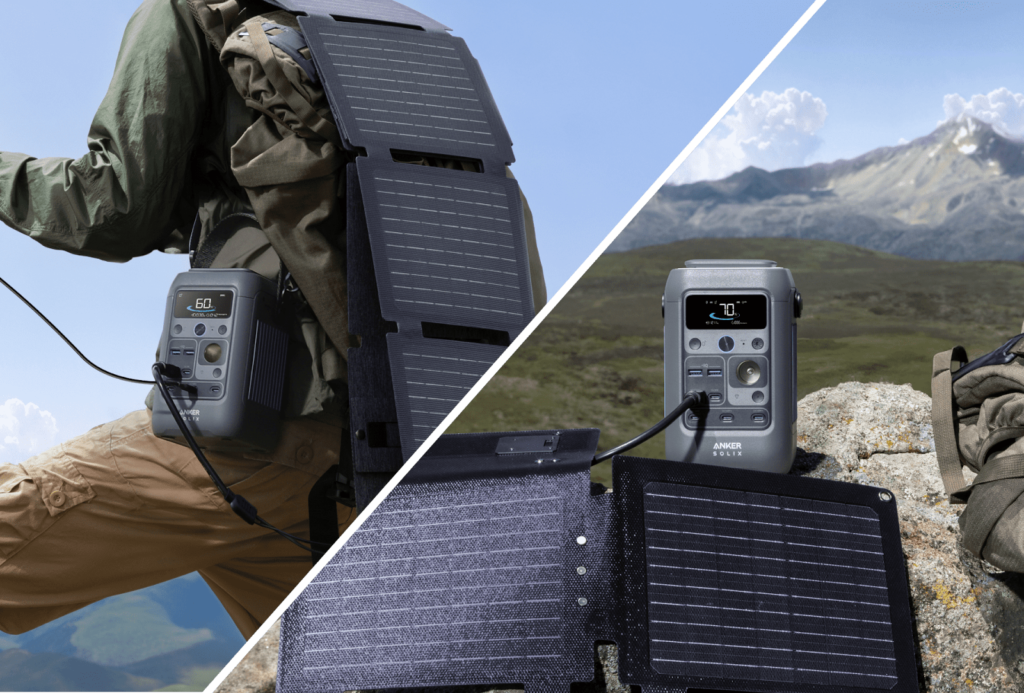
Solar generators rely on sunshine to recharge; therefore, weather and solar exposure have a direct impact on their effectiveness during outages. Clear sky allows panels to regain full capacity in a few hours; however, gloomy or wet weather can lower input by more than 50%. Short winter days and shaded installations further reduce efficiency. Proper panel location, directed toward the sun and clear of obstructions, optimizes charging potential. Using higher-wattage panels reduces recharge time, allowing for longer power supplies. Users should monitor solar input and adapt device usage to avoid depleting the battery faster than it can be recharged. Without enough sunshine, dependability suffers, particularly during lengthy outages.
Load Management and Device Prioritization
Managing loads effectively during an outage increases solar powered generator reliability. Prioritize essential items like refrigerators, CPAP machines, phones, lights, and routers. High-wattage gadgets, such as microwaves or space heaters, should not be powered unless your system is designed to handle them. Running numerous devices at the same time drains the battery faster, so try to stagger your usage. Some solar-powered generators have energy monitoring to measure use and battery levels in real time. You may increase runtime and make the most use of available solar energy by decreasing superfluous power use and rotating gadgets depending on priority. Smart load management guarantees that the generator runs efficiently during the outage time.
System Quality, Battery Type, and Maintenance
The interior components of the generator have a significant impact on its reliability. Higher-quality systems employ lithium iron phosphate (LiFePO₄) batteries, which last longer and can tolerate more charge cycles than normal lithium-ion batteries. Pure sine wave inverters protect delicate electronics while also reducing device wear. Temperature control, surge protection, and a robust shell make up well-built machines that can survive harsh environments. Regular maintenance, such as checking connections, cleaning panels, and keeping the battery charged, helps to retain performance. Poorer systems with low-quality batteries or insufficient surge capacity are more prone to fail when stressed. Investing in a dependable, well-reviewed solar generator results in improved performance and less risk during essential power outages.
Are Solar Generators More Reliable Than Other Backup Options?
Solar Generators vs Gas Generators During Outages
Gas generators produce a lot of electricity, but they require fuel, which may not be accessible during a crisis. They emit noise, fumes, and require ventilation, restricting their usage indoors. Solar generators, on the other hand, provide clean, silent electricity and may be operated securely indoors. They are good for important electronics, lights, and medical equipment, but are less suitable for high-wattage tools or whole-house usage unless correctly scaled. Gas units start quickly, but they require oil changes, fuelling, and manual operation. Solar generators start silently with a button press and replenish using sunlight. Solar generators provide higher stability and convenience of use during protracted outages without the need for fuel, particularly in urban and residential applications.
See also: Is A Nose Job In Dubai The Upgrade Your Profile Has Been Waiting For?
Solar Generators vs UPS and Power Banks
UPS systems and power banks provide short-term backup but cannot give power for hours or days, unlike a solar generator. A UPS is primarily intended to keep computers or modems functioning momentarily during unexpected disruptions, allowing users to save work or securely shut down. Power banks are ideal for phones and tiny gadgets; however, they have limited power and duration. Neither of these options uses solar energy to recharge. A solar generator combines extended duration, increased output capacity, and the ability to recharge continually using sunshine. It can support everything from routers and televisions to refrigerators and CPAP machines. Solar generators exceed standard UPS or mobile battery options in terms of long-term dependability and energy independence.
Combining Solar Generators with Other Backup Systems
For maximum dependability, homeowners frequently combine solar generators with various backup alternatives. Combining a solar generator and a small gas generator can help balance power supply—use solar for necessities and clean energy, and fuel-based machines for high-wattage devices or overcast days. A backup power supply (UPS) can safeguard sensitive equipment from power outages while the solar generator is operational. Power banks function as personal backups for phones and flashlights. This hybrid technique provides flexibility while providing longer-lasting, multilayer protection. During lengthy outages, switching between systems conserves energy reserves. Using solar as the base and augmented with various sources results in a more dependable and robust home backup system.
Conclusion
Solar generators are dependable power sources during outages when appropriately designed and operated. They keep vital gadgets functioning quietly, cleanly, and without the need for fuel. Battery size, sun exposure, and load management all have an impact on performance, although high-quality systems outperform in the majority of emergency cases. Solar generators, as opposed to gas generators, UPS units, and power banks, have longer runtimes, are safe for interior usage, and recharge using renewable energy. When integrated with other systems, they increase resilience even further. Solar generators provide stable, low-maintenance backup power during blackouts, whether for hours, days, or longer, while simultaneously promoting sustainability and energy independence.