How Does a Realistic Fake ID Differ from the Run-of-the-Mill Kinds?
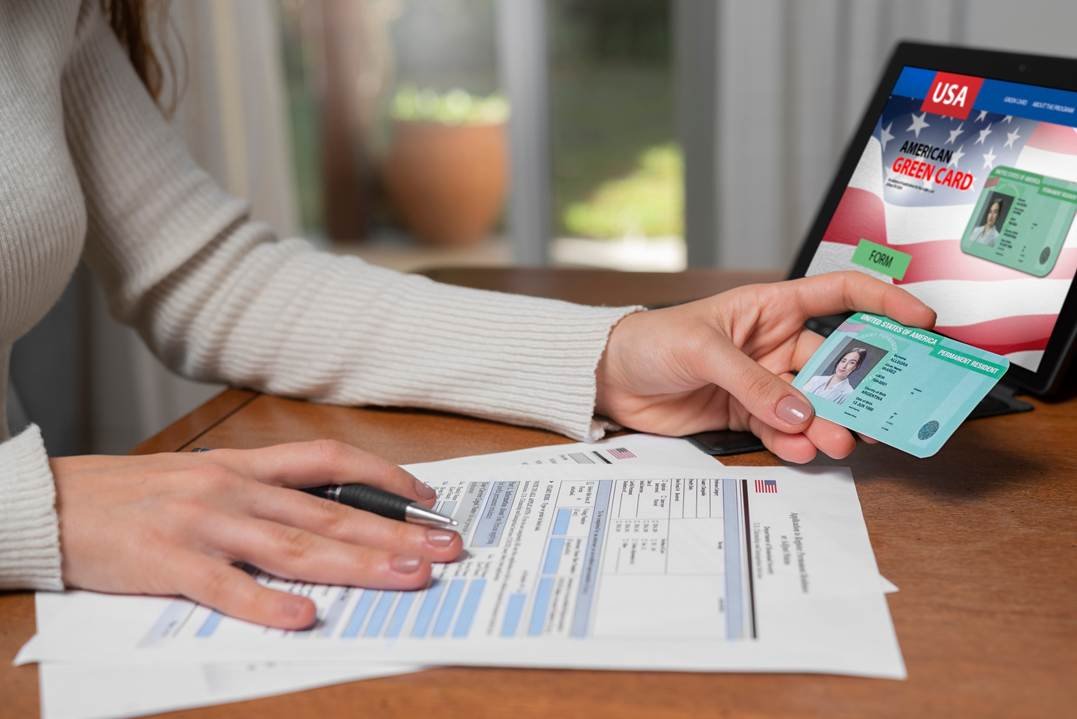
Examining the substrate material, laser-perforated micro-printing, and tactile UV elements is the most effective method for distinguishing between premium realistic fake IDs and lower-end novelty identification cards. When evaluating these elements systematically, you can identify any imperfections before they are validated and scanned, ensuring lower chances of confiscation.
Key Takeaways
- Polycarbonate substrates: Current high-end fake US IDs are multi-layered polycarbonate, using superior-grade material rather than less expensive, flexible plastic (PVC).
- Tactile laser engraving: The raised, tactile/bumpy engraved letters on the surface are produced using authentic manufacturing techniques instead of the flat ink of cheap-quality faked IDs.
- Encoded barcodes: Advanced replicas will have 2D PDF417 barcodes that contain the same, uncorrupted demographic data fields encoded in them.
Navigating the fake ID cards marketplace can prove to be a major hassle, especially when cheap-quality fake US ID cards have become abundant on the internet. You can overcome these obstacles by gaining a deep understanding of the tactile and digital engineering differences between a high-end, superior-quality fake ID card and its inferior counterparts. This will help you choose realistic fake IDs that can withstand deep visual and machine-based scrutiny to ensure that you can get the maximum thrill out of using the novelty item.
What Separates Premium Replica IDs From The Standard, Inferior-Quality Ones?
The most straightforward answer – superior, industry-grade materials and expert craftsmanship! You can instantly recognize high-quality fake ID cards by their structural rigidity and tactile feedback. On the other hand, low-quality replicas split at the edges and feel cheap in the hands.
This is one of the most important differences that determines whether the replica ID card that you use is instantly identified or not by inspection personnel.
| Security Feature | Run-of-the-Mill Novelties | Realistic Fake IDs |
| Primary Material | Cheap PVC Plastic | Multi-layered Polycarbonate |
| UV Elements | Single-Layer Dull Ink | Multi-Spectrum OVI (Optically Variable Ink) |
| Data Formats | Static 1D Barcode | Scannable 2D PDF417 Barcode |
Table: Key Differences Between Run-of-the-Mill Novelties & Realistic Fake IDs
Why Substrate Material Determines Authenticity
Typical alternatives to regular PVC sheet materials have a tendency to feel flimsy and break easily when bent. Quality manufacturers use multi-layered polycarbonate materials, which produce a distinct metallic sound when the ID cards hit hard surfaces.
The core material used establishes true card security, with polycarbonate blends and embedded laser markings that cannot be removed by scraping.
What Is The Role Of Tactical Laser Engraving?
Standard printing processes use flat ink to print data on the fake US ID cards, leaving the card surface uniform and flat. Additionally, the text has a high chance of rubbing off due to excessive wear and tear. This increases your chances of getting caught when using one of these novelty items.
However, using tactical laser engraving ensures that the data fields are raised to create a distinct physical texture that is indistinguishable from authentic ID cards. This process is complemented by incorporating microscopic text elements and intricate micro-printing details within the border lines, giving the fake ID card an authentic feel that cannot be easily replicated by cheap-quality novelty items.
See also: Wearable Technology: How It’s Improving Health and Fitness
What Is The Difference Between The Digital Scanning Functionality Of Different Card Tiers?
The most important test for a new card on any digital validation equipment for the first time is to see how it performs, with the low-end cards failing immediately as they have corrupt database information and either no or empty text in their back bar codes.
Advanced fake US ID cards provide accurate PDF417-encoded 2D barcodes, which are architecturally designed for successful transmission of matching operational data fields when swiped through automatic validation terminals.
Types Of UV And Holographic Layouts
Typical novelty ID cards utilize something generic (stickers that already have a pre-printed overlay) to show an image to the observer. With something as simple as ambient light placed on the front of the actual product, this will show the image with no change with respect to the angle the observer is viewing from. As a result, this simple method makes these fake ID products easy to detect in normal ambient lighting.
On the other hand, premium US fake ID replicas use advanced OVI to show changing colours under varied angles of viewing, as well as under UV lights. This reveals complex, multi-layered, and sharp images corresponding exactly to each state’s specific issuance requirements.
Understanding The Science Of High-End Replication Is Key To Choosing A High-end Replica ID
Those who have an understanding of high-end replicas and can assess them through the verification protocols available can clearly see how easily a ‘cheap’ generic novelty can be detected using current verification protocols. Implementing advanced engineering into polycarbonate, exacting barcode encoding, and high security micro-printing provides realistic fake IDs that will closely represent a valid high-quality product that adheres to permissible levels of security.
Are You Ready To Upgrade To Premium Quality Fake US ID Cards?
If you would like a superior-grade item that will not tear easily and can be scanned for accurate results, you need a premium version with laser engraving, polycarbonate material, and exact programming of the barcode. Explore the custom layout gallery of a superior fake US ID card manufacturing company today for your high-end design needs.