How to Build a Bulletproof Work Schedule for Building Construction
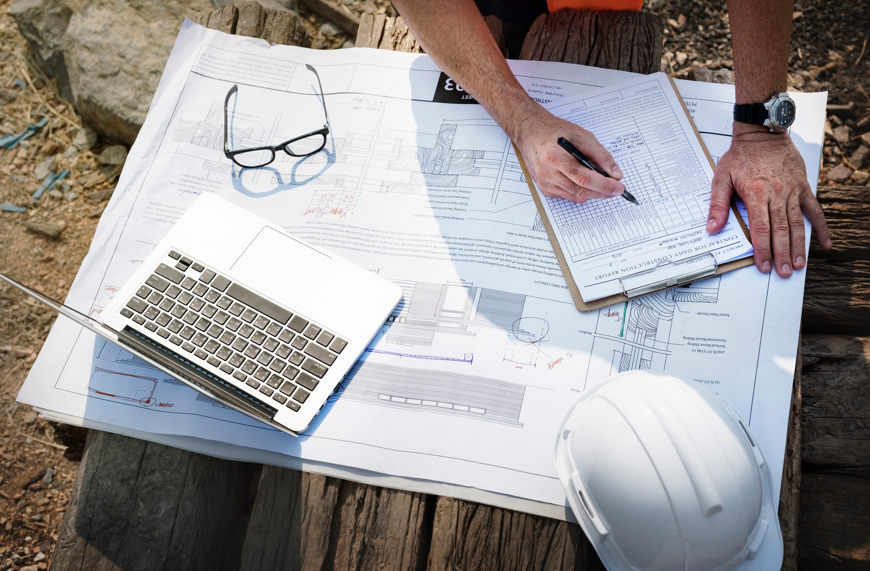
A bulletproof work schedule for building construction predefines every task, dependency, resource, and risk mitigation pathway before groundbreaking can even begin. When optimized and used efficiently, an effective construction schedule dictates cash flow, manages stakeholder expectations, and ultimately determines profitability.
Key Takeaways
- A work schedule is a management tool, not just a calendar: A quality schedule represents task dependencies, available resources, risk buffers, and update refreshment.
- The critical path is the pulse of each project: The Critical Path Method (CPM) establishes the total project timeline, while simultaneously mapping the order in which tasks are to be performed. Understanding the critical path is paramount to the success of the project as a whole.
- Uncertainty in scope is fixed by following the 8/80 rule: The number of hours required to complete each work package in a construction schedule should be between 8 and 80; activities that require less than 8 hours are too granular, and tasks that require over 80 hours are too vague to monitor or manage.
- A schedule is worthless if it is not updated: You should regularly reevaluate and refresh your schedule based on new material delivery dates, changing weather conditions, and developing job-site situations.
- Talking to experienced scheduling consultants can help mitigate your risk of delay: Scheduling consultantsprovide you with valuable experience on proven scheduling methodology, software competence, and the value of impartiality that an internal team, working under the stress of delivery timelines, can never achieve.
Construction schedules mostly fail not because they were too complicated, but rather because they were created incorrectly. Generally, this occurs due to:
- Broader groupings of tasks
- Assumptions rather than mapping dependencies
- Optimistic and not factual buffer settings
When these things happen, the schedule often falls short the moment a subcontractor falls short on delivery timelines. When developing a schedule that is designed to withstand real-time pressures, including supply chain interruptions, weather delays, labour availability issues, and scope changes, there is a methodical and specific process to build the schedule.
What Are The Key Steps To Help You Build A Bulletproof Work Schedule For Building Construction?
Step 1: Ensure Complete Scope Clarity Before Scheduling
When trying to develop a work schedule for building construction, begin with the project’s complete scope, break it down into all the overall phases, followed by activities, and finally, into specific, actionable tasks. This will take a large objective, such as “build a new commercial office building,” and create hundreds of small, specific, and easily definable tasks.
Also, map the dependencies of every task in relation to each other, as this will ensure that your construction schedule not only looks organized, but also reflects reality in terms of commencement and completion timelines.
| Dependency Type | Definition | Construction Example |
| Finish-to-Start (FS) | Task B cannot start until Task A finishes | Framing cannot start until the foundations are complete |
| Start-to-Start (SS) | Task B cannot start until Task A starts | MEP rough-in can start once framing starts on a lower floor |
| Finish-to-Finish (FF) | Task B cannot finish until Task A finishes | Electrical and plumbing inspections must finish together |
| Start-to-Finish (SF) | Task B cannot finish until Task A starts | Handover cannot be finalized until commissioning begins |
Table: Dependency Types Every Construction Schedule Must Address
Use the 8/80 Rule: All work packages should take between 8 hours and 80 hours of work. Less than eight-hour work packages contribute to the administrative noise level. More than eighty-hour work packages become too broad and will be difficult to manage. When these broad work packages fall behind schedule, they can add up to massive time losses very quickly.
Step 2: Build the Critical Path (CPM)
The Critical Path Method (CPM) determines the sequence of tasks and identifies critical tasks that can jeopardize the project’s overall timelines even with the smallest delays. Once these tasks are identified, they must be given maximum attention to prevent any delays. Less critical tasks can be used to absorb these delays, and all project management decisions should be made to protect the Critical Path.
Step 3: Integrating The Resource Into The Schedule
Just as scheduling and completing each task is important to protecting project timelines, so is efficient resource management. Ensure that all material, equipment, and labor procurement, along with adequate resource allotment, are done to match the tasks and their timelines on the Critical Path.
Step 4: Establish Baseline & Update Protocols
Once the project schedule has been developed and agreed upon, set the baseline schedule that should not be altered without formal change control. Keep updating the schedule to reflect completed tasks, actual timelines vs. scheduled timelines, emerging risks, etc. Include Risks vs. Recovery into the schedule from day to identify potential delays, mitigate them, and recover lost time from other areas to get the project back on track. This updated document can then be used by stakeholders to track progress and identify scope for risk mitigation and overall project acceleration.
See also: A Site Manager’s Guide to Dust Emission Regulations in Australia
Hiring A Scheduling Consultant To Develop Watertight Construction Schedules
If you are handling a project that has considerable program risks, not hiring a scheduling consultant can end up being more costly than actually hiring one. With their ability to deliver independent methodologies, forensic scheduling, and continuous schedule governance, they can prove invaluable to your construction scheduling.
Want To Protect Your Construction Project From Devastating Timeline Failures?
Connect with a scheduling consultant today and ensure that your work schedule for building construction is built to handle everything and deliver on time.