Do Volkswagens Require Specialised Diagnostic Tools?
Volkswagen vehicles are known for precision engineering, advanced electronics, and tightly integrated onboard systems. Because so many functions are controlled electronically, accurate diagnostics are essential for proper servicing and repair. The right tools make all the difference in identifying issues early, preventing unnecessary repairs, and keeping your VW performing as intended.
How Volkswagen Vehicle Systems Differ
Volkswagens use a network of modules, sensors, and controllers that communicate through systems such as CAN-bus. These components work together to manage everything from engine timing and fuel delivery to safety systems like ABS, traction control, and driver assistance features. With so many interconnected systems, diagnosing faults correctly requires tools designed specifically to interact with VW technology.
What Specialised Diagnostic Tools Do
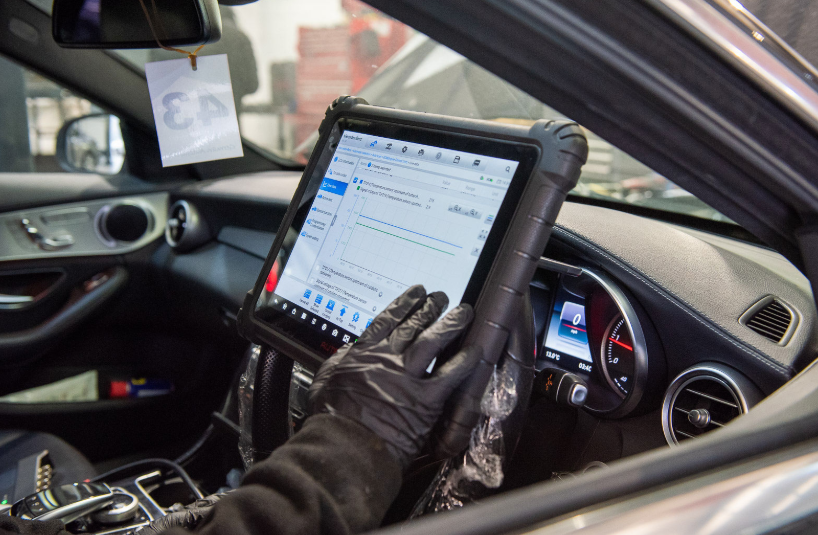
Specialised diagnostic tools give technicians access to deep system data. They can read manufacturer specific codes, view live sensor readings, and perform coding, programming, and calibrations. These tools can reset service intervals, update modules, and run guided fault-finding routines. Because Volkswagen vehicles rely heavily on electronic integration, these capabilities are essential for accurate maintenance.
Volkswagen Approved Diagnostic Software
The primary diagnostic program used for Volkswagen vehicles is ODIS, the Offboard Diagnostic Information System. ODIS communicates with every module in the car and provides detailed, model specific information. It allows technicians to perform complex tasks that generic tools cannot, such as coding new parts, calibrating ADAS systems, and applying manufacturer software updates.
Why Generic Scanners Are Not Always Enough
Basic OBD2 scanners only read limited fault codes and lack the ability to communicate deeply with VW systems. They may miss hidden faults, fail to perform necessary coding, or provide incomplete data. In some cases, relying solely on a basic scanner can lead to incorrect repairs or unnecessary part replacements. If your VW has persistent warning lights or electronic issues, seeking assistance from a technician experienced in volkswagen service Brisbane ensures the correct tools are used to diagnose the problem properly.
Examples of VW Components That Require Specialised Tools
Many core Volkswagen systems need brand specific diagnostic capabilities. DSG transmissions and mechatronics units must be calibrated after servicing. Electronic parking brakes require specialised tools for safe retraction during pad replacement. Adaptive cruise control and radar guided safety systems need alignment and calibration. Even digital dashboards and infotainment systems often require software updates through VW specific programs.
See also: Wearable Technology: How It’s Improving Health and Fitness
Benefits of Using Specialised Tools for VW Servicing
Specialised diagnostic equipment provides more accurate and efficient fault identification. This reduces labour costs, avoids unnecessary repairs, and ensures the correct components are replaced when needed. Proper diagnostics also help maintain warranty compliance and protect sensitive electronic systems. Accurate calibration of safety features keeps your vehicle performing reliably on the road.
Consequences of Incorrect or Incomplete Diagnostics
Using the wrong tools can lead to persistent warning lights, erratic engine performance, transmission issues, or malfunctioning driver assistance features. Incorrect coding or resets can even cause further damage to electronic modules. For modern Volkswagens, precision diagnostics are essential to avoid preventable problems.
How VW Specialists Use Diagnostic Tools During Servicing
A complete diagnostic process includes scanning all modules, checking for stored or intermittent faults, analysing live data, and performing necessary adaptations or updates. Technicians confirm that all systems are communicating correctly and address any inconsistencies before they develop into larger issues.
Final Word
Volkswagens do benefit significantly from specialised diagnostic tools. Their advanced electronic systems require equipment that can communicate fully with every module and perform the coding or calibrations that generic tools cannot. Choosing a workshop with the right diagnostic technology helps protect performance, reliability, and long term value for your vehicle.