What Causes Hair Loss in Women?
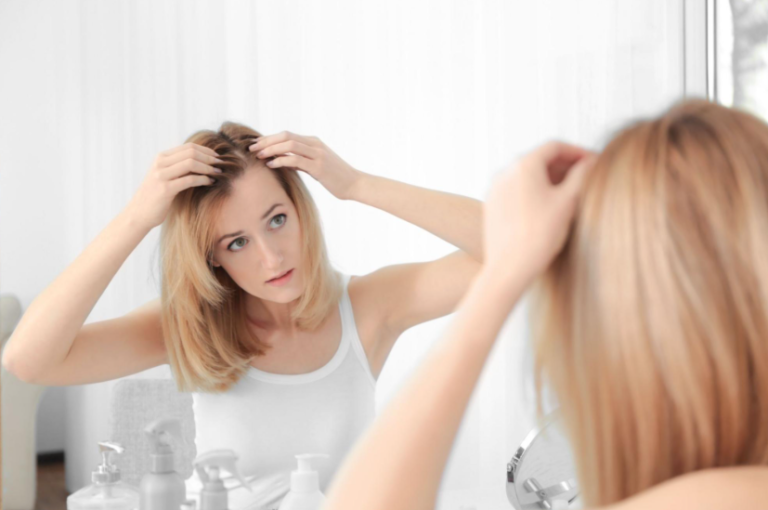
Hair loss in women is far more common than many people realise. While it’s often associated with men, countless women experience thinning, increased shedding, or noticeable changes in hair density at some point in their lives. Because hair is closely tied to identity and confidence, these changes can feel confronting or stressful. Understanding the underlying causes is the first step toward finding the right support and restoring healthy growth.
Understanding Hair Loss in Women
It’s normal to shed anywhere between 50 and 100 hairs per day. When shedding exceeds this amount or when new growth slows, hair can begin to look noticeably thinner. Hair grows in cycles: the anagen phase (growth), catagen phase (transition), and telogen phase (resting and shedding). When this cycle is disrupted—by hormones, stress, illness, or other factors—more hairs may enter the shedding phase, and fewer may grow back. This imbalance leads to visible thinning over time.
Common Causes of Hair Loss in Women
Hormonal Changes
Hormones play a key role in female hair health. Pregnancy, postpartum recovery, perimenopause, and menopause can all trigger temporary or prolonged shedding. During pregnancy, the body holds onto more hair, but after giving birth, many women experience a sudden increase in shedding known as postpartum hair loss. Menopause can also cause gradual thinning due to declining oestrogen levels. Hormonal conditions such as PCOS (Polycystic Ovary Syndrome) can also contribute to ongoing hair loss.
Stress and Illness
Stress is one of the most frequent causes of unexpected hair shedding. Emotional stress, major life changes, illness, or surgery can push hair into a resting phase, causing a condition known as telogen effluvium. This type of hair loss typically appears a few months after the stressful event. Autoimmune conditions like alopecia areata can also affect hair follicles, causing patchy hair loss.
Nutritional Deficiencies
Hair requires a steady supply of vitamins and minerals to grow properly. Low levels of iron, vitamin D, zinc, B12, or protein can weaken hair follicles and slow growth. Restrictive diets or inconsistent eating patterns can also contribute to thinning. Replenishing nutrient levels can help restore stronger growth over time.
Genetics (Female Pattern Hair Loss)
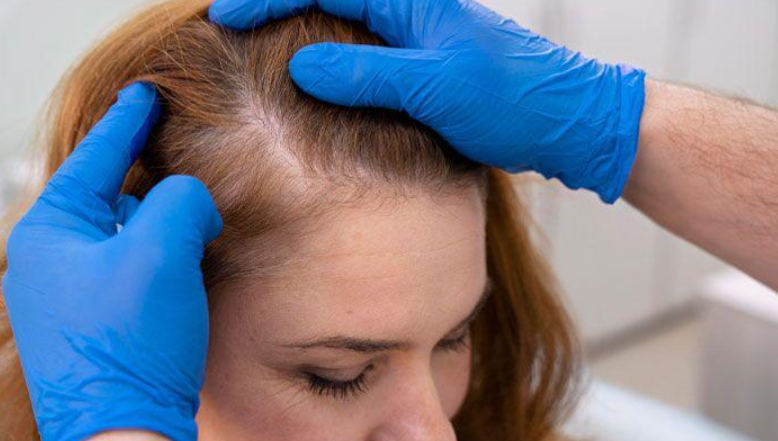
Female pattern hair loss is hereditary and presents differently from male pattern baldness. Instead of a receding hairline, women typically experience diffuse thinning, especially across the crown or along the part line. This condition often develops gradually and may start in midlife, though it can appear earlier. Many women turn to supportive options such as specialised hair growth products for women to help strengthen and maintain existing hair.
Overstyling and Damage
Regular use of heat tools, bleaching, colouring, chemical straightening, or tight hairstyles can weaken the hair shaft and damage follicles. Over time, this leads to breakage and visible thinning. Traction alopecia—a form of hair loss caused by repeated pulling from tight hairstyles—is more common than many realise and often reversible when caught early.
Medical Conditions and Medications
Underlying health conditions such as thyroid disorders, anaemia, autoimmune diseases, and hormonal imbalances can all impact hair growth. Certain medications, including antidepressants, acne treatments, and chemotherapy drugs, may also contribute to shedding. If hair loss appears suddenly or severely, medical evaluation is essential.
When to Seek Help
If you experience rapid shedding, bald patches, or thinning that worsens over time, it’s wise to consult a GP, dermatologist, or trichologist. Early intervention can make a significant difference, especially when hair loss is linked to hormonal changes, nutritional deficiencies, or medical conditions. Professional guidance can also help pinpoint the exact cause so treatment can be tailored effectively.
See also: Wearable Technology: How It’s Improving Health and Fitness
Addressing Hair Loss in Women
The most effective way to address hair loss is to identify the underlying cause. Once you understand what’s happening, supportive steps may include hair growth shampoos, serums, supplements, and changes to diet or lifestyle. Gentle scalp care, stress reduction, and avoiding harsh styling practices can also make a meaningful difference. Many women benefit from combining supportive hair care products with a holistic approach to overall health.
Wrapping Up
Hair loss in women can stem from many different causes, ranging from hormonal shifts to nutritional deficiencies or medical conditions. The good news is that in many cases, it is manageable and sometimes reversible with the right approach. Recognising the signs early and supporting your hair with appropriate care can make a meaningful difference. If you’re experiencing persistent thinning, don’t hesitate to explore options and seek personalised guidance.