
What Is the Best Wax for Candle Making?
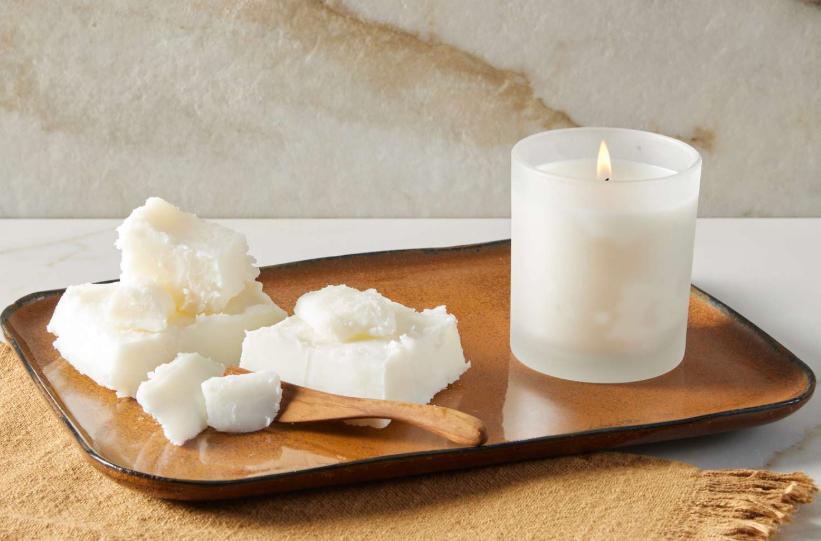
Choosing the best wax for candle making depends on your goals, whether it’s clean burning, scent throw, sustainability, or cost. With a range of natural and synthetic options available, understanding the pros and cons of each wax type can help you make an informed choice.
Understanding Candle Wax Types
Candle wax plays a key role in how a candle performs. It affects burn time, scent diffusion, finish, and how eco-friendly the final product is. Whether you’re a hobbyist or launching your own line, selecting the right wax is one of the most important steps in candle making.
Soy Wax
Soy wax is one of the most popular choices among beginners and eco-conscious makers. Made from hydrogenated soybean oil, it’s renewable, biodegradable, and burns cleaner than many alternatives. Soy wax produces a smooth, creamy finish and holds fragrance well, although it may not offer the same scent throw as some synthetic options. It’s ideal for container candles and tends to burn slower than paraffin.
Paraffin Wax
Paraffin wax is a versatile, petroleum-derived wax that has been used in candle making for decades. It’s favoured for its strong scent throw and excellent colour retention, making it a popular option for vibrant and highly fragrant candles. While it’s not considered the most natural option, it’s affordable and reliable. You can explore different types of candle wax including paraffin blends designed specifically for pillar or container candles.
Beeswax
Beeswax is a natural wax made by honeybees. It has a naturally sweet scent and burns longer than most other waxes. Beeswax candles purify the air by releasing negative ions and are often chosen for their clean burn and elegant golden appearance. While it’s one of the more expensive options, it’s perfect for those looking for a natural, toxin-free candle.
Coconut Wax
Coconut wax is a newer, premium wax made from the meat of coconuts. It burns cleanly, holds scent beautifully, and offers a soft, smooth finish. Often blended with other waxes like soy or beeswax, it’s a favourite for luxury candle makers who want a strong scent and a sustainable option. It’s typically more expensive but offers a high-end result.
Blended Waxes
Many candle makers use custom wax blends to combine the benefits of different types. Soy-paraffin blends, for instance, balance natural ingredients with enhanced scent performance. You can also find soy-coconut or paraffin-beeswax mixes tailored to different candle styles, from container candles to pillars or melts.
See also: Wearable Technology: How It’s Improving Health and Fitness
How to Choose the Best Wax for Your Needs
Start by considering what matters most to you. If sustainability is key, soy or beeswax is ideal. For strong fragrance and vibrant colours, paraffin or a paraffin blend may be better suited. If you’re making candles to sell, test multiple types to see what works best for your scent load, containers, and brand values.
Next Steps
There’s no single best wax for every project. The right choice depends on the type of candle you want to make, your desired aesthetic, and your performance expectations. Whether you’re creating candles for personal use or for sale, experimenting with different waxes is part of the fun and helps you find the perfect match for your style.
