
What Types of Products Do Asian Food Suppliers Offer?
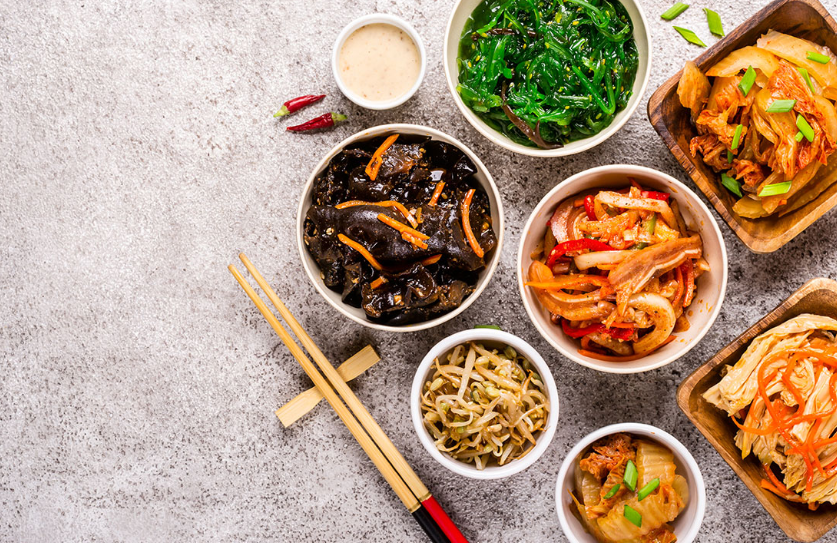
Understanding the Range of Asian Food Products in Australia
Asian food suppliers play an essential role in bringing authentic flavours from Japan, China, Korea, Thailand, Vietnam, and other regions into Australian kitchens. Their products support restaurants, retailers, and food service businesses that rely on genuine ingredients to meet customer expectations. As demand for Asian cuisine continues to grow, these suppliers offer an expanding range of items that reflect the diversity and richness of Asian food culture.
Core Pantry Staples Supplied by Asian Food Distributors
Pantry staples are the foundation of many Asian dishes, and suppliers offer a wide selection of these must-have ingredients. Common items include various rice types, wheat and rice noodles, miso paste, soy sauce, seaweed, curry bases, and stock concentrates. They also provide essential seasonings such as dashi, chilli powders, spices, marinades, and cooking sauces. These ingredients allow chefs and home cooks to create authentic recipes that stay true to their origins.
Frozen Asian Food Products
Frozen products make up a significant part of what Asian food suppliers distribute. Items such as dumplings, gyoza, buns, dim sum, noodles, and tempura are widely used in restaurants and food service venues. Frozen seafood is another core category, including prawns, squid, fish fillets, and crab sticks. Quick-freeze technology ensures these items retain their flavour, texture, and nutritional value. Ready-to-cook meals, frozen desserts, and specialty snacks also form part of the frozen range, giving businesses reliable and convenient options for menu planning.
Sauces, Condiments, and Pastes
Asian cuisine is known for its bold and distinct flavours, many of which come from traditional sauces and pastes. Suppliers offer a diverse range including soy sauce, teriyaki, ponzu, tonkatsu sauce, gochujang, kimchi marinades, curry pastes, chilli oils, stir-fry sauces, and various dipping sauces. These condiments allow chefs to replicate authentic Asian tastes and enhance the depth and complexity of their dishes.
Snacks, Sweets, and Specialty Beverages
Asian snacks and sweets have become increasingly popular in Australia, offering unique flavour profiles that differ from Western treats. Suppliers commonly stock rice crackers, mochi, seaweed snacks, biscuits, and confectionery. Beverages are another strong category, featuring matcha drinks, herbal teas, flavoured milk drinks, fruit juices, and ready-to-drink specialties. These items appeal to retailers and hospitality venues seeking to expand their product offerings.
Fresh and Specialty Asian Produce
Some suppliers extend their range beyond packaged goods to include fresh produce and specialty items. This may include herbs, mushrooms, Asian greens, and seasonal ingredients that are essential to specific regional dishes. Specialty proteins such as sushi-grade seafood or premium cuts of meat may also be available depending on the supplier. These products help restaurants deliver high-quality and culturally authentic meals.
See also: Wearable Technology: How It’s Improving Health and Fitness
Retail vs Food Service Products
Asian food suppliers cater to both retail customers and commercial food service clients, offering product formats suited to each group’s needs. Retail-ready items come in smaller packaging designed for supermarkets, Asian grocers, and specialty stores. In contrast, food service customers typically order bulk cartons, catering packs, or commercial-size ingredients for high-volume use. Businesses looking for a reliable asian food supplier can benefit from access to both retail and food service options, ensuring flexibility whether they stock shelves or run a busy kitchen.
Key Takeaways
Asian food suppliers provide an extensive variety of products that enable businesses and consumers to enjoy authentic cuisine from across Asia. From pantry staples and frozen goods to sauces, snacks, beverages, and fresh ingredients, their offerings support creativity, consistency, and cultural diversity in Australian food. As interest in Asian cuisine continues to rise, the role of these suppliers becomes even more important in meeting the growing demand for genuine, high-quality products.