
Renovating a Period Home in Greater London: Managing Heavy Furniture & Construction Waste
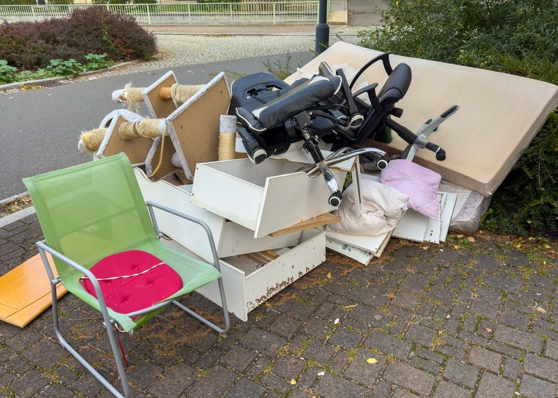
Renovating a period home in Greater London requires more than stripping interiors. Heavy furniture, narrow access routes and construction waste need coordinated handling. Early sorting and compliant waste arrangements can reduce damage, disruption and avoidable disposal while keeping the renovation programme organised safely.
Key Takeaways
Measure doorways, staircases and lifting routes before moving heavy furniture or bulky items.
Assess furniture and fittings for donation, repair or reuse before sending them for disposal.
Keep furniture, timber, plasterboard, rubble and electrical equipment separated to support appropriate recovery and disposal.
Check whether the property is listed or within a conservation area and confirm any required permissions before altering potentially significant features.
Though period properties often bring character and carry the legacy, renovation of these properties leads to difficult clearance challenges.
A government report from the UK suggests that in 2022, England experienced 63 million tonnes of non-hazardous demolition and construction waste, among which 94.3% (58.4 million tonnes) was recovered.
It highlights why waste removal is an integrated part of the renovation plan. Identifying recyclable and reusable materials before demolition or removal can help prevent potentially recoverable items from becoming mixed waste, while making collection and segregation easier to coordinate with contractors.
Early planning can prevent site congestion, property damage, and costly delays during renovation work for homeowners and contractors.
See also: Best AI Game Maker Tools to Try
Protect the Property Before Moving Anything
Measure doorways, stairwells, and access before scheduling any furniture removal plan. For furniture disposal in Hertfordshire, first assess whether items can be reused, donated, or repaired.
Research by WRAP estimated that furniture accounted for around 42% of UK bulky waste. It also found that more than 20% of furniture collected through kerbside bulky-waste services was potentially reusable in its existing condition, with a further 25% assessed as reusable following slight repair.
So, an early assessment of conditions is essential during a period-home renovation.
Tips
Before arranging the collection, check dimensions, construction materials, and access requirements. Photograph valuable or delicate pieces to support decisions and prevent unnecessary damage during handling.
Separate Furniture and Construction Waste
Separating furniture from construction waste helps prevent reusable items from being contaminated or damaged, makes recycling and disposal routes easier to manage, and keeps renovation areas safer and more organised.
A clear sorting system also allows contractors to identify materials early, coordinate collections efficiently, and avoid mixing bulky furniture with rubble, plasterboard, timber, or electrical equipment.
Separate Furniture from Construction Waste
A renovation clearance plan should distinguish furniture, timber, plasterboard, rubble, electrical equipment, and other materials before removal begins. But why?
Keeping these separate can make reuse, recycling and disposal decisions easier while reducing unnecessary mixing. If you are planning construction waste removal in London, separate construction materials from furniture to increase the efficiency of collection, recycling and disposal.
Plan Loft, Sofa and Commercial Clearances
Loft clearance should also follow a structured sorting process.
Lofts may contain insulation, timber, electrical equipment, stored household goods and potentially fragile items, so assess each category before loading. Check the item condition and dimensions of bulky seating before arranging furniture removal, especially where staircases or narrow entrances could make handling difficult.
If an item cannot reasonably be reused, it should follow an appropriate waste route.
Commercial renovation or relocation projects require similar planning.
Desks, cabinets, seating, and electrical equipment may require different handling techniques. It makes furniture disposal in Hertfordshire or London easier to manage when items are identified and separated before collection.
A simple inventory can help contractors determine what should be reused, recycled or removed, while keeping the renovation area accessible and organised.
Heritage Considerations Matter
Historic England states that listed-building consent is very likely to be required for restoration work on listed buildings. Before renovation work, establish the property’s designation and check with the local planning authority whether any permissions or consents are required.
Plan Access Before Moving Heavy Items
When arranging furniture, assess staircases, doorways, flooring and decorative features beforehand. It also reduces the risk of impacts or scratches to original surfaces, especially in older properties with delicate timber floors, plasterwork or period joinery.
Considerate Treatment of Historic Items
Before arranging furniture disposal, check whether the item is simply a modern piece of furniture or a part of the property’s historic character. Seek advice from the relevant conservation authority or a suitably qualified heritage professional.
However, for construction waste removal in London, homeowners and contractors should also consider the timing of collection, apart from demolition, refurbishment and other renovation requirements.
Here’s a checklist for homeowners and contractors before moving furniture or demolition.
| Clearance consideration | What to check | Why it matters |
| Heavy furniture | Dimensions, weight, condition and removal route | Prevents damage to furniture, walls, floors and staircases |
| Access routes | Doorways, stairwells, corridors and external access | Identifies potential lifting or manoeuvring difficulties |
| Reusable items | Furniture, fittings and materials suitable for reuse or repair | Reduces unnecessary disposal and supports recovery |
| Construction waste | Timber, plasterboard, rubble and other materials | Makes segregation, recycling and disposal easier |
| Electrical equipment | Appliances, cables and other electrical items | Helps identify materials requiring appropriate handling |
| Historic features | Period flooring, joinery, fixtures and decorative details | Reduces the risk of accidental damage during clearance |
| Collection timing | Renovation schedule, contractor access and storage space | Helps prevent congestion and disruption on-site |
Table: Period-Home Renovation Clearance Planning
Wrapping Up
A successful period-home renovation is not only about the finished design. Careful waste clearance improves site organisation and creates opportunities for reuse and recovery. Effective furniture handling and construction waste management can reduce disruption while maintaining a safer, more controlled renovation environment for homeowners as well.
Planning a Period-Home Renovation?
Arrange clearance before major works begin, with access, item condition, waste types, and collection timing assessed as part of the project plan. Book an experienced and reputable clearance organisation in the UK for on-time service.