Microdosing Semaglutide: Common Questions, Risks, and Better Comparison Criteria
Semaglutide microdosing refers to the practice of taking very small, gradual doses of semaglutide, a medication originally developed for type 2 diabetes and later used off-label for weight management. The goal of microdosing is often to minimize side effects while exploring potential benefits at lower doses. However, this approach raises many questions about effectiveness, safety, and how to evaluate options in this emerging area.
Understanding Semaglutide Microdosing
Semaglutide is a glucagon-like peptide-1 (GLP-1) receptor agonist that influences insulin secretion and appetite regulation. Standard doses for diabetes or weight management are typically prescribed and titrated by healthcare professionals. Microdosing means taking doses below these established levels, sometimes starting as low as a fraction of the recommended amount. This is not an FDA-approved dosing strategy and is considered experimental.
People explore microdosing to potentially reduce common side effects associated with semaglutide, such as nausea, vomiting, or gastrointestinal discomfort. It may also appeal to those curious about incremental benefits or personalized dosing schedules. However, clear scientific evidence supporting microdosing’s safety and efficacy remains limited, and individual responses can vary widely.
Common Questions About Semaglutide Microdosing
What dose qualifies as microdosing? There is no official cutoff, but doses well below the therapeutic range-often under 0.25 milligrams weekly-are considered microdoses.
Is microdosing effective for weight loss or diabetes management? Current clinical trials focus on established dosing ranges. While some anecdotal reports suggest possible benefits, there is insufficient research to confirm outcomes at very low doses.
Are side effects truly reduced by microdosing? Lower doses may lead to fewer or milder side effects, but this is not guaranteed. Some individuals may still experience adverse reactions even at minimal dosing.
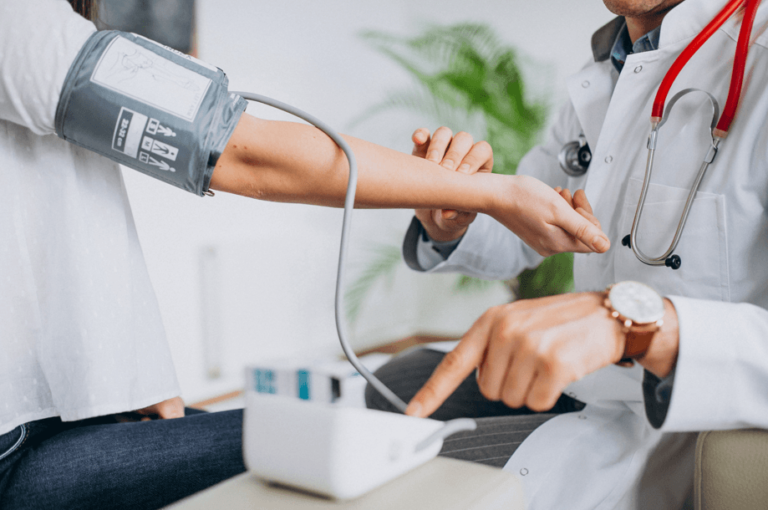
How should semaglutide microdosing be initiated and monitored? Because it is off-label and not widely studied, any microdosing regimen should be discussed with a healthcare provider who can monitor for side effects and effectiveness.
Potential Risks and Caveats
Microdosing semaglutide involves uncertainty due to limited data. Risks include inadequate therapeutic effect, delayed treatment response, and unanticipated side effects. Self-administering or adjusting doses without medical supervision can increase these risks.
Furthermore, purchasing semaglutide from unverified sources poses safety concerns regarding medication quality. Proper storage and administration techniques are also critical to minimize complications.
Evaluating Semaglutide Microdosing Options: A Practical Framework
For those researching semaglutide microdosing, a clear and practical evaluation framework helps make informed decisions:
1. Source Verification: Ensure the medication comes from a licensed pharmacy or reputable provider with transparent quality controls.
2. Dosing Clarity: Understand the exact dosage per injection and the titration plan. Avoid vague or inconsistent instructions.
3. Support and Monitoring: Look for providers or platforms that offer medical oversight, guidance on side effect management, and follow-up care.
4. Cost Transparency: Compare prices while considering quality and service. Extremely low-cost options may reflect compromised quality.
5. Evidence and Reviews: Seek out clinical data, user testimonials, and expert opinions but remain cautious of unsubstantiated claims.
6. Legal Compliance: Confirm that obtaining and using semaglutide microdosing aligns with local regulations and prescription requirements.
Considering these criteria can help navigate the complex landscape of semaglutide microdosing safely and effectively.
Comparing Providers and Formulations
An informed comparison of semaglutide microdosing options involves examining factors such as formulation type (e.g., injectable vs. oral), dosage flexibility, delivery devices, and provider reputation. For those interested in a detailed side-by-side look at these aspects, the full FormBlends comparison offers a comprehensive guide to various semaglutide microdosing products and services.
Frequently Asked Questions
Can semaglutide microdosing replace standard dosing protocols?
Microdosing is not a substitute for clinically recommended dosing. It remains an experimental approach without established guidelines.
Is semaglutide safe for everyone to microdose?
Safety depends on individual health conditions and supervision by a healthcare professional. It is not suitable for everyone.
How long does it take to see effects when microdosing semaglutide?
Because doses are lower, any effects might take longer to appear, but this varies greatly by individual.
Final Note
This article provides general information about semaglutide microdosing and should not replace professional medical advice. Anyone considering semaglutide or any microdosing regimen should consult a qualified healthcare provider to discuss potential risks and benefits.
What to verify before acting
Before a reader relies on any comparison about microdosing semaglutide, the safest move is to confirm the basics directly. Check when the page was last updated, whether the criteria are explained clearly, and whether the recommendation separates facts from marketing claims. It also helps to compare total cost, access requirements, support, refund language, and any limits that could change the real-world value of an option.
The goal is not to find a perfect answer from one article. The goal is to narrow the search to a short list, understand the tradeoffs, and know which questions to ask next. That approach is slower than clicking the first result, but it usually produces a better decision and reduces the chance of being pulled in by a page that ranks well without explaining enough.