10 Women’s Health Symptoms You Should Never Ignore, According to a Clinique Gynecologue
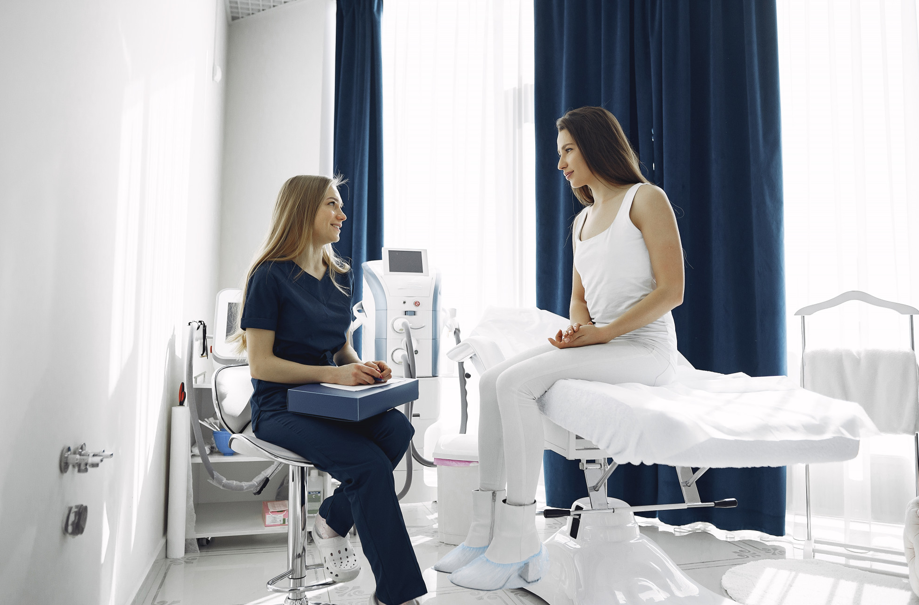
According to a clinical gynecologist (clinique gynecologue), certain health symptoms could be fatal for women’s health. Many women in Canada face different kinds of gynecological issues, some of which are often overlooked or dismissed by the system. Abnormal bleeding, persistent bloating, pelvic pain during intercourse, chronic fatigue or brain fog, etc., are some examples of key symptoms of women’s health that you shouldn’t ignore.
Key Takeaways
- Women face a lot of health symptoms during menstruation, pregnancy, intercourse, and after childbirth and menopause, which might be subject to the emergency clinic (clinique d’urgence).
- Heavy bleeding, chronic pelvic pain, and chronic fatigue syndrome are some of the issues caused by hormonal imbalance in the female body.
- If you are experiencing these symptoms, it is safe to consult a gynecologist to determine the underlying cause.
What Are The Symptoms In Women’s Health And Why You Shouldn’t Ignore Them?
Ignoring health symptoms, such as pelvic pain during intercourse, heavy bleeding after menopause, and chronic fatigue, could be symptoms of some underlying diseases. So, instead of ignoring them, you should consult a clinical gynecologist (clinique gynecologue) without wasting time.
1. Abnormal or Postmenopausal Bleeding
Hormonal imbalances, uterine fibroids (noncancerous tumors), polyps (small growths over the uterus lining), adenomyosis, or infections could cause heavy bleeding between periods, after intercourse, or after menopause. This issue requires immediate clinical evaluation; otherwise, it could turn into a clinical urgency. Rapid Transvaginal Ultrasound is a noninvasive imaging tool to measure the endometrial thickness. Along with ultrasound, endometrial tissue sampling is important to detect any type of malignancy. The primary risk of postmenopausal bleeding is uterine in most of the cases, but cervical cytology or the PAP test is also possible.
2. Persistent Bloating And Fullness
Bloating could happen due to many reasons, such as constipation, trapped gas, certain food intolerance, etc., but if bloating lasts for more than 2 to 3 weeks and happens without any proper explanation, it might be a sign of ovarian problems.
3. Pelvic Pain During Intercourse or Dyspareunia
Pain during intercourse is never normal, yet 3 out of 4 females are affected by it at some point in their lives. Pelvic pain or dyspareunia can be caused by yeast infection, STIs, vaginal dryness, and pelvic muscle dysfunction. Patients who are struggling with this serious issue should opt for an emergency clinic (clinique d’urgence) to resolve the problem.
See also: 5 Ways Businesses Use Custom Greeting Cards for Marketing and Client Engagement
4. Chronic Fatigue Syndrome
Women are two to four times more likely than men to be diagnosed with chronic fatigue syndrome. This happens because of the iron deficiency, anemia, hyperthyroidism, and hormone fluctuation during pregnancy and menopause.
5. Unexplained Weight Fluctuations
Hormonal imbalances, such as thyroid, polycystic ovarian syndrome, and menopause, stress hormone named cortisol, can cause unexplained and unwanted weight fluctuation. Hyperthyroidism, diabetes, and cancer lead to weight loss, while PCOS, water retention, and hypothyroidism can lead to weight gain.
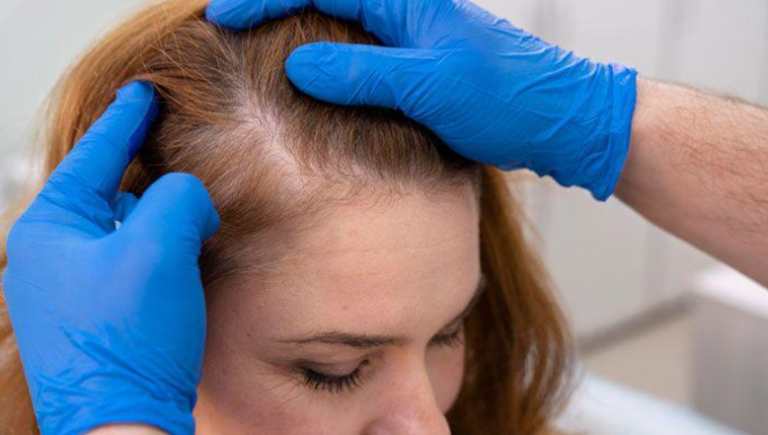
6. Hormonal Skin Changes (Acne or Hair Thinning)
When the androgen level elevates in the female body during menopause, PCOS, or pregnancy, things like acne and hair thinning start to happen. Stress and Thyroid are also two key reasons behind these issues.
To solve these issues, topical medications, like salicylic acid, are used for skin, and minoxidil is used for hair. Oral contraceptives are also used to balance the androgen levels in women.
7. Urinary Frequency or Incontinence
Urinary incontinence is common in women during pregnancy, childbirth, and menopause. This symptom causes involuntary urine loss as you lose control over your bladder. Many women hide this issue due to embarrassment and think that this happens because of old age, but this condition is treatable through pelvic exercise, lifestyle changes, and medical intervention.
8. Prolonged Low Mood or Irritability
Globally, 5.7% of adults are sufferers of prolonged low mood or depression, but according to the WHO (World Health Organization), women are more affected by depression than men.
In women, this issue is caused by a combination of various factors, such as biological, hormonal, and environmental factors. Hormonal fluctuation during the premenstrual phase, known as premenstrual dysphoric disorder (PMDD), decreasing estrogen levels during menopause, and postpartum depression during and after pregnancy can lead to prolonged low mood in the female population.
9. Changes in Breast Texture or Skin
You might notice different types of changes in your breast, such as redness, itching, skin irritation, dimpling, thickening, swelling, or changes in pigmentation.
If the skin of your breast changes over time, it can signal various types of underlying concerns, such as breast cancer, infection, inflammatory conditions, and benign breast conditions, like fibrocystic changes, benign breast tumors, etc.
10. Unusual Vaginal Discharge or Odor
Changes in color, consistency, or smell can indicate STIs or bacterial imbalances that require a clinical swab, not just OTC treatments.
Intercourse, menstruation, and pregnancy can affect the usual vaginal discharge and odor, but an infection in the vagina might cause unusual vaginal discharge and odor.
Vaginal flora is made up of different types of bacteria, which are essential to maintain the right pH level of your vagina. However, an imbalance in vaginal flora is the key reason for its unusual fishy odor.
A strong and unpleasant odor in the vagina could be a sign of rectovaginal fistula, cervical cancer, or vaginal cancer.
By taking the prescribed medications, this issue can be solved.
If you want to prevent vaginal discharge and odor, try to wear light and breathable clothes and practice good hygiene.
Are You Facing Any Of These Health Symptoms?
If you are a woman and have one or multiple of the above-mentioned health syndromes, consult with a reliable clinic to be on the safe side.